
Guardianship For Substance Abuse: Protecting A Family Member Who Cannot Protect Themselves
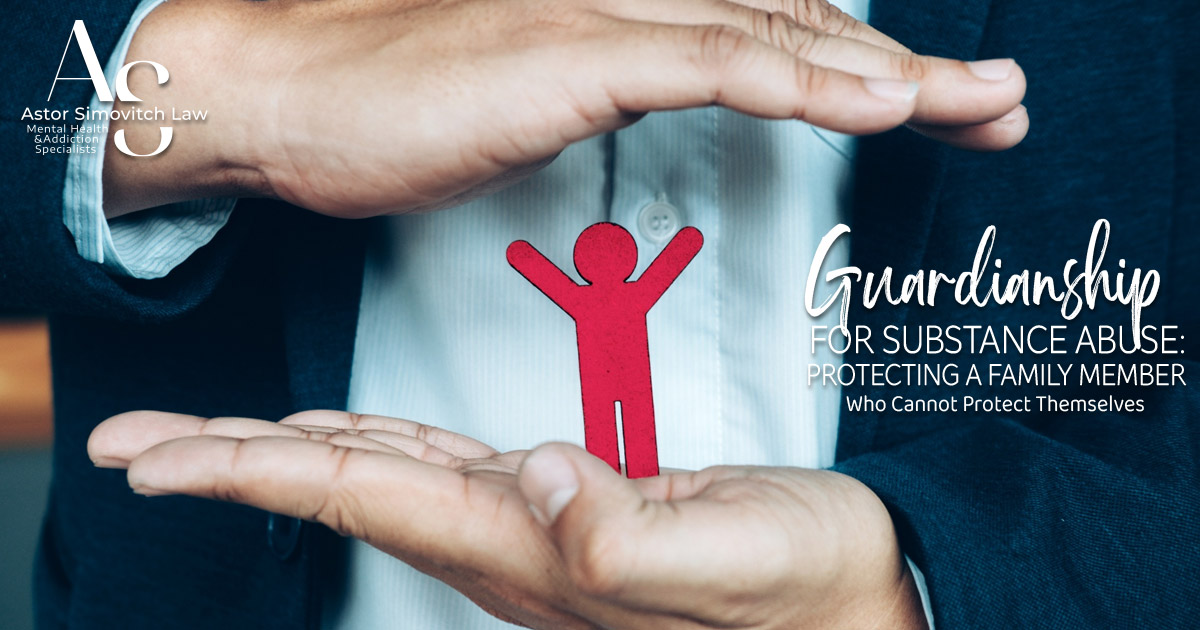
Substance use disorder is a form of behavioral health disease which affects millions of people globally each year. For the families of those who are struggling with addiction, knowing how to strike the balance between supporting them on the journey to recovery while also intervening in self-destructive cycles can be difficult.
If you’re worried that a loved one who is struggling with substance abuse cannot look after themselves and needs additional support as they attempt to achieve sobriety, guardianship could be the ideal solution. A guardianship arrangement for substance abuse allows you to ensure that your loved one’s best interests are taken care of, and gives them the space and time to focus their energies solely on recovery.
What Is Guardianship?
Guardianship is a legal arrangement in which one person (the guardian) is given the legal authority to manage the personal affairs of another person (the ward), who lacks the capacity to do so themselves. The purpose of guardianship is to ensure that a person who is unable to make sound decisions concerning their finances, health care, and day-to-day life is given a court-appointed guardian who will make these decisions on their behalf.
In the case of adult guardianship, the guardianship arrangement may either be limited or plenary. Limited guardianship means that the guardian is only given the legal power to make a certain class of decisions for their ward – for example, decisions about financial or property matters only. Plenary guardianship, on the other hand, means that the guardian is given the power to make any decision that their ward would ordinarily have been able to make for themselves. Guardianship for substance abuse cases may either be plenary or limited, depending on the impact which substance use is having on the individual concerned.
Adult guardianship may also be temporary or permanent. Permanent guardianship is typically used in cases where a person is unlikely to recover their capacity (for example, they have Alzheimer’s or have suffered a traumatic brain injury). Temporary guardianship, in contrast, is only used for a short period of time, when there is an expectation that the ward will be able to make decisions for themselves again in the future.
Why Do Those Struggling With Addiction Need Guardians?
When a person is in the grips of addiction, their judgement is usually significantly impaired. They may not be able to accurately evaluate risks and benefits, and may lack the ability to appreciate the consequences of their decisions. Many of their decisions may also be driven or influenced by their desire to continue using whatever substance they are abusing. These issues may continue to impact someone who has entered a rehabilitation program, and a person who is in a rehabilitation facility will also find it difficult to manage their affairs while focusing on recovery. For all these reasons, it is strongly recommended that the families of those struggling with substance abuse obtain guardianship until their loved ones have regained the ability to make rational choices for themselves.
How Can Guardianship Help A Loved One Struggling With Substance Abuse?
By securing an appointment as your loved one’s guardian, you’ll be temporarily empowered to make important decisions on their behalf. This could include decisions relating to their treatment for addiction, their place of residence, how their finances are managed, what purchases they make, and so on. Importantly, being appointed as a guardian for your loved one means that you can determine (in consultation with their medical team) how long they should remain in a rehabilitation facility for. The appointment will give you peace of mind that your loved one’s interests are being taken care of, and that they are not making reckless decisions with regards to their health and financial resources. Your loved one will also benefit from being freed from the stress of managing their personal affairs while they focus on their journey to recovery.
What Are The Criteria For Guardianship?
Because guardianship involves a significant restriction of a person’s freedom to make decisions, a court will only appoint a guardian when there is clear evidence that a person lacks the ability to make rational decisions for themselves and manage their own affairs. To determine whether a person meets the legal threshold for incapacity, a court will rely on evidence provided by a panel of psychiatric experts, as well as statements from other medical experts, social workers and family members, as necessary. If, after evaluating this evidence, the court determines that the person lacks capacity, it will grant the least restrictive guardianship order possible in the circumstances, based on the recommendations of the panel.
How Can A Guardianship Attorney Assist With The Process Of Obtaining A Guardianship Appointment?
Deciding whether it would be appropriate to seek appointment as your loved one’s guardian can be challenging, and you may be worried that your emotional response to your loved one’s addiction is affecting your ability to evaluate the situation. An attorney can help you to determine whether a guardianship petition would be a suitable next step, and can explain the process to you so that you feel comfortable proceeding.
To obtain a guardianship appointment for substance abuse, you will need to file a ‘Petition to Determine Incapacity’. Every person who petitions the court to be appointed as a guardian must be represented by a guardianship attorney. Your guardianship attorney will draft the petition, and arrange for additional expert evidence to be provided to the court if necessary. They will also prepare oral argument to present at the hearing to determine the petition’s outcome, and will answer any questions the court has concerning your suitability to be appointed as guardian.
Experienced Florida Guardianship Attorneys Are Here To Help Families Affected By Substance Abuse
Watching a loved one struggle with addiction can be incredibly difficult. At Astor Simovitch Law, we understand just how challenging it can be to support a loved one who is abusing alcohol or drugs and making reckless decisions. Our firm has a wealth of experience in facilitating guardianship appointments in cases of substance abuse, and our guardianship attorneys are renowned for their compassionate and skillful legal service.
For total peace of mind that your loved one’s best interests will be taken care of while they recover from their addiction, contact us today at 561-419-6095.
Book a Free, Confidential Call With Astor Simovitch Law
Free. Confidential. No obligation to file anything.